This past Tuesday we heard again from Stacy Maurier, a lawyer and founder of Estate Connection Law Firm. She talked to us this time about Personal Directives and Powers of Attorney.
A Personal Care Directive outlines your wishes on matters of health and medical care, where you would like to live, who you would like to associate with and social and educational activities you would like to take part in. It also sets out how and when it becomes active and who is responsible for ensuring it is followed.
There are many issues you will need to think about before you prepare this document. These are some of the options to be considered, but there are many more that are possible. What type of medical intervention is acceptable to you. Do you want to be kept alive even when the chances of a good outcome are non-existent, twenty five percent, fifty percent? Where would you prefer to live once you require full time care- in your own home with a paid caregiver, in the home of one of your children, in an assisted or extended living facility? Do you have any special personal physical care wishes- extra bathing, hair dressing services etc.? Would you like your representative to receive reimbursement for parking charges, transportation costs etc.?
You must also remember that you are appointing someone to be your medical advocate. You should personally ask them prior to preparing this document. Will they be able to be present at sometimes odd times of day or night, do they have the emotional stamina to be able to make tough decisions, do they have enough knowledge of your medical history to be able to inform medical staff and make good decisions, will they be able to handle seeing your private parts, if necessary? Do they have the same cultural and religious values that you do? Will they be able to carry out their duties over the long term- some people survive for decades in a disabled state? Whomever you appoint should keep a notebook or calendar with good records of their visits, duties performed and decisions made, and inform other family members on a regular basis about what is happening. A clause requiring a yearly family discussion is also a good idea, as this ensures everyone will get a chance to hear what the caregiver has been doing for the past year. When deciding when your agent can take over for you and who will make that decision, consider whether these people will be available when needed. If you specify a particular doctor, they may be on holiday in Hawaii when you need them. You can also choose to have more than one person make this determination.
A Personal Care Directive is specific to the locale ( legal jurisdiction, province) in which you live, it may not be recognised outside of that jurisdiction. If you regularly spend time in another location ( work overseas, spend winters in Arizona), it might be worthwhile having a similar document for that locale as well. It can be a handwritten document, prepared at home, but you should make sure that it covers all of the requirements of the legislation. A lawyer can also prepare one for you. You should review this document every few years to make sure it still meets your wishes and remember, it ceases to be effective if you move to another jurisdiction.
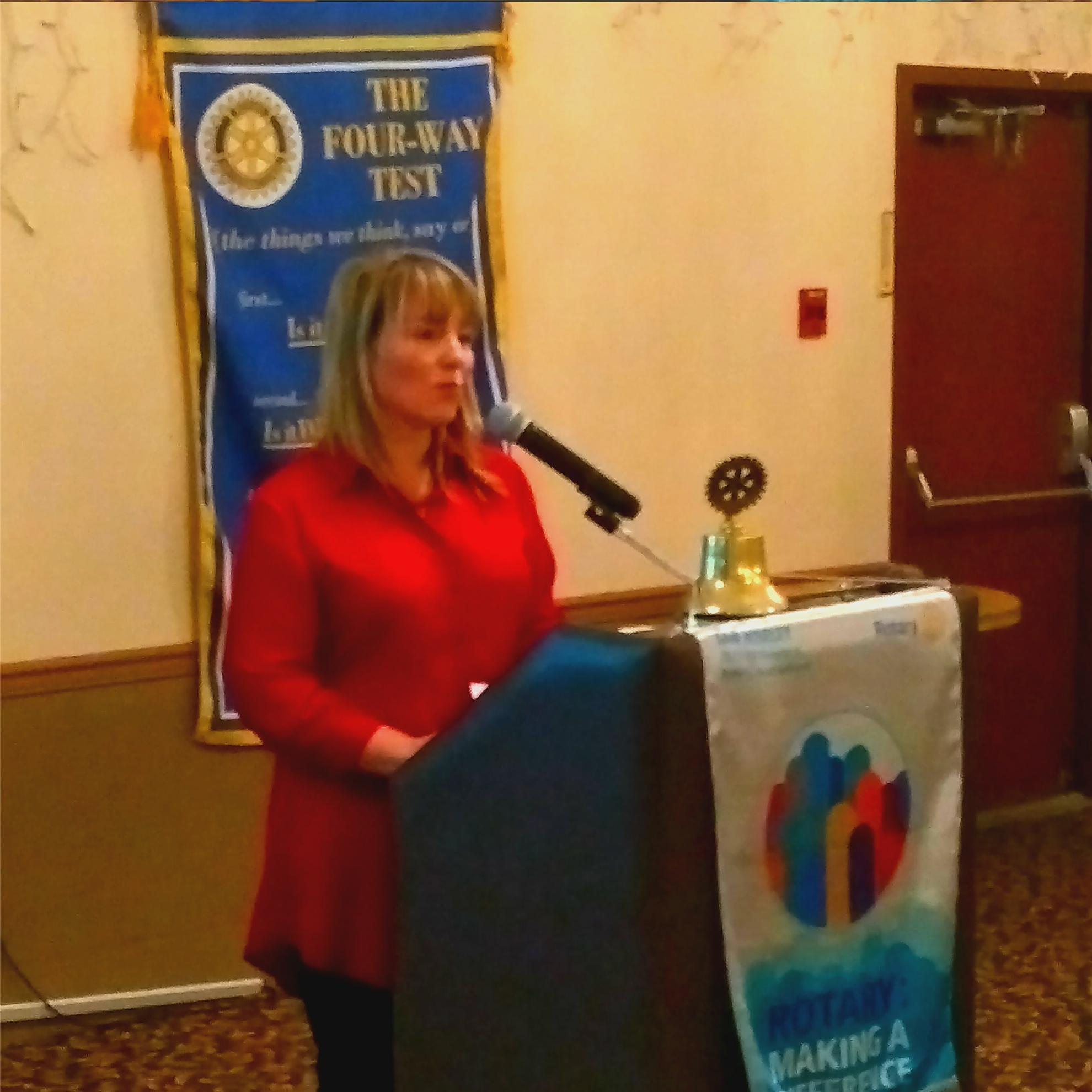
Stacy Maurier
A Power of Attorney, is a document that appoints someone to look after your financial affairs and real estate, while you are still mentally able, but not necessarily physically able. An Enduring Power of Attorney (EPA) looks after your financial affairs and real estate when you can no longer make these decisions. If there is only one document you have, it should be an Enduring Power of Attorney. If you become disabled without one, your family and their lawyer must apply to the court to appoint a trustee to take care of your affairs. This can be expensive and take many months. Also, an improperly prepared Enduring Power of Attorney can be rejected by your bank, and this will also entail an application to the court.
You should endeavor to choose someone who is good with details, and keeping records. They should also have the time to be able to carry out the requirements of the job, keeping accounts, making reports, paying taxes, visiting banks, etc. You can appoint more than one person, or even a Trust Company to carry this out for you. You should also ensure that the person you wish to be your agent is willing to take on this job. Your EPA should clearly set out what your representative can and can not do. Can they make gifts to charitable groups, can they reimburse themselves or others for expenses incurred in carrying out your wishes. What type of records should they keep, whom should they report to, and how often? Can they hire a book keeper? Can they sell property or reinvest money? There are as many decisions to make as there are personal situations. You should try to think about these situations, prior to preparing this document. Your agent will have a lot of power over your estate. This document should also be reviewed every few years to make sure it is still acceptable.
Having these documents in place means that you and your family can be assured that your wishes will be known and will be fulfilled when the time comes.